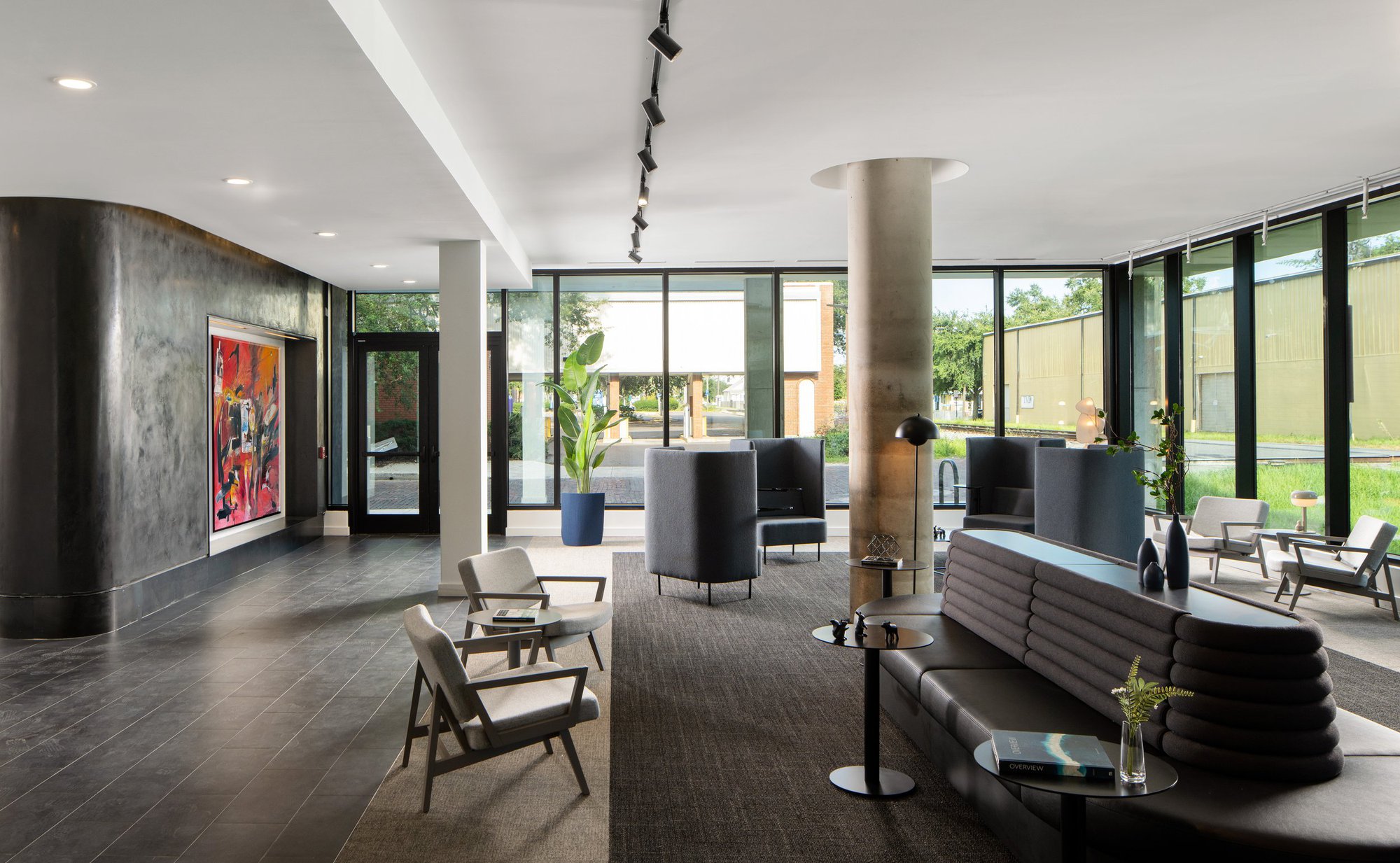



Choosing the right woodwork package can shape your project budget, timeline, and long-term maintenance profile. Commercial millwork and standard millwork serve different scopes, code environments, and durability expectations across your build. Understanding where each fits helps you avoid costly rework and delayed occupancy dates.
Architects, developers, and facility teams weigh multiple factors when specifying casework, trim, wall panels, and reception features. Materials, grades, and installation standards differ sharply between a boutique retail buildout and a single-family renovation. A clear comparison lets you match the right product tier to the right room and use case.
What Is the Difference Between Commercial Millwork and Standard Millwork?
Commercial millwork covers custom, code-compliant architectural woodwork built for offices, retail, healthcare, and hospitality spaces. Standard millwork typically refers to residential or catalog-grade trim, cabinets, and casework used in lower-traffic environments. The main differences show up in materials, engineering, compliance requirements, and expected service life.
How Commercial Millwork Differs From Residential Woodwork
Commercial millwork carries stricter fabrication and installation tolerances because it lives in high-traffic, high-visibility spaces. According to a guide from the AWI Quality Certification Program, Architectural Woodwork Institute (AWI) standards give architects, contractors, and installers a shared language for quality. Residential woodwork rarely references those tiers, so expectations often shift from project to project.
Materials also diverge across the two categories in ways that affect long-term performance. You will typically see fire-rated substrates, moisture-resistant cores, and impact-tolerant edges on a commercial floor. Standard millwork leans on softer species, thinner veneers, and lighter hardware suited to home use.
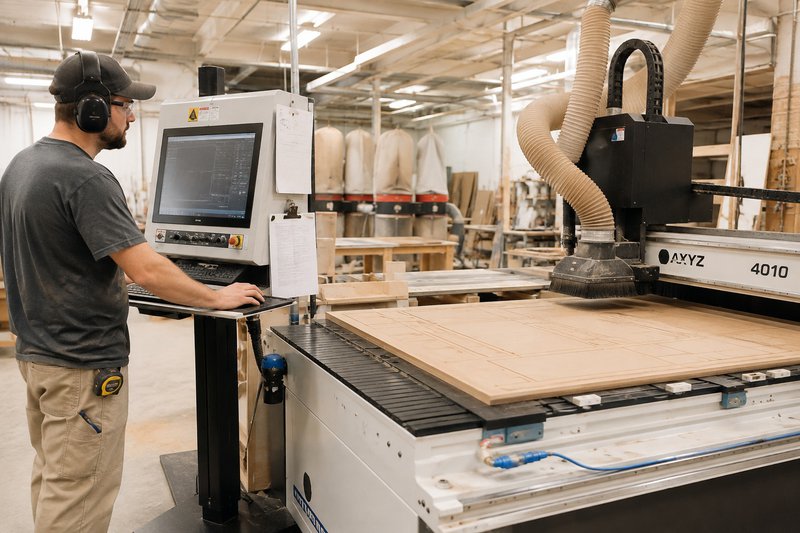
Fabrication method matters just as much as material choice for durability and appearance over time. Commercial shops rely on computer numerical control (CNC) equipment, controlled finishing rooms, and quality checks aligned with AWI grades. Residential builders often mix stock cabinetry with site-built trim, which shortens lead time but limits customization.
To see how these differences play out in real spaces, review the DTANK+ project gallery for examples.
When Commercial Millwork Delivers the Best Value
Commercial millwork shines when your space must handle heavy use, brand expression, and layered building code requirements. Corporate lobbies, hospital reception zones, and retail environments all benefit from tailored casework built to survive daily traffic. Standard products often fail to meet these combined demands without frequent repair or replacement.
Signs Your Project Needs Commercial Millwork
Before you finalize scope, review whether the site conditions and program call for a purpose-built approach. Several signals suggest that a custom, commercial-grade package will pay back over the life of the building.
- High daily foot traffic that will wear down catalog finishes within one to two years of occupancy
- Occupancy classifications that require fire-rated substrates, acoustic ratings, or antimicrobial surfaces for public safety
- Reception desks, service counters, or transaction points subject to Americans with Disabilities Act (ADA) reach and clearance rules
- Complex geometry, curved surfaces, or integrated lighting that stock cabinetry cannot accommodate on standard modules
- Brand-critical zones where materials, finishes, and joinery must reinforce a specific identity across many locations
Commercial millwork also helps when you plan phased rollouts across multiple sites with shared design standards. As a result, you protect brand consistency while giving each location the flexibility to fit local footprints.
Learn more about scope planning through the DTANK+ services overview before locking in specifications.
Cost, Timeline, and Compliance Considerations
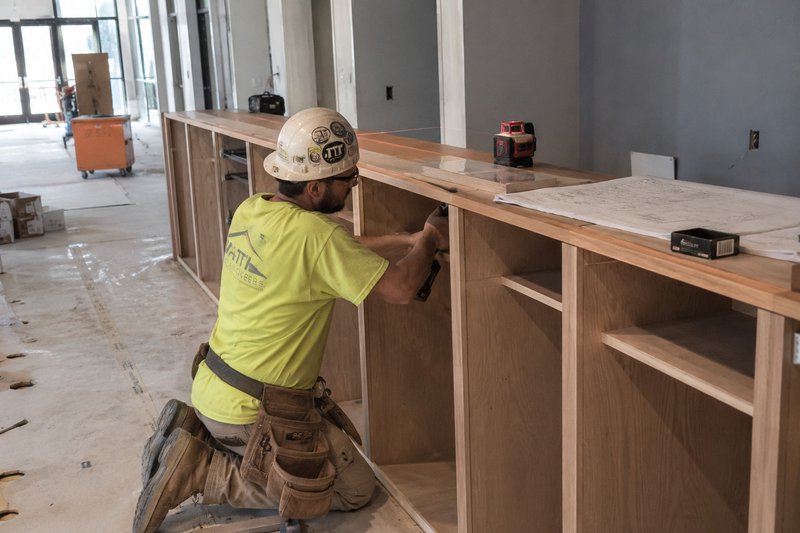
Commercial millwork involves a more detailed planning and fabrication process than standard packages, with shop drawings, engineering review, and coordination with mechanical, electrical, and plumbing trades. Standard millwork avoids much of this additional coordination, making it a practical option for projects with simpler requirements, particularly light residential work.
Timelines run longer for commercial scopes because approvals, submittals, and finish samples all move through the design team. According to an ADA compliance guide for contractors, building to accessibility standards from the start typically adds only one to three percent to total project costs. Retrofitting later runs ten to twenty percent or more, so getting compliance right the first time protects the budget.
Coordination is where experienced fabricators earn their fee on complex builds. They flag conflicts between millwork, ductwork, and lighting before installation crews arrive on site. For further reading on planning, see our overview on designing productive workplaces with tailored furniture for related ideas.
Choosing the Right Partner for Your Commercial Millwork Scope
The fabricator you choose shapes quality, schedule, and how smoothly the project moves through inspections. Commercial millwork demands shops with proven experience in fire ratings, acoustic assemblies, and Occupational Safety and Health Administration (OSHA) safe installation practices. Standard millwork rarely requires that depth of technical review or documentation.
Look for a partner who offers integrated design, engineering, and installation under one contract. Single-source accountability reduces finger-pointing when field conditions differ from the drawings and shortens the punch list at closeout. A capable shop also brings value engineering ideas that preserve design intent while trimming waste and cost.
References matter more than marketing when you evaluate potential suppliers for a complex commercial millwork package. Review completed projects, ask about lead times, and confirm certifications relevant to your scope. For background on our approach, visit the DTANK+ about page and our related post on millwork and casework fundamentals for design teams for more context.
Ready to Match the Right Millwork Package to Your Next Build?
Selecting between commercial millwork and standard millwork comes down to use case, code, and long-term value across your portfolio. A tailored commercial package protects busy spaces, meets accessibility requirements, and reinforces brand experience for years. Standard products still have a place in lighter residential scopes where budgets and timelines take priority.
Working with an experienced partner from the concept stage prevents costly redesigns and keeps the project aligned with inspection schedules. Our team supports architects, developers, and end-users from initial drawings through white-glove installation across the country. Get in touch with our DTANK+ team to talk through your next commercial millwork project today.